Yes, carbon laser treatment (also called a “carbon peel” or “Hollywood peel”) is generally considered safe for Indian and dark skin tones when performed by a trained dermatologist using the correct laser settings. It’s actually one of the gentler laser options for darker skin because it doesn’t target melanin directly the way some other lasers do. That said, it should always be done professionally, since incorrect settings on any laser can cause pigmentation issues in darker skin.
If you’ve searched “is carbon laser safe for dark skin,” you’ve probably landed on a mix of reassuring clinic pages and scary forum posts about burns and pigmentation. The confusion is fair, not all lasers are created equal, and darker skin does need more caution than lighter skin with certain treatments. Here’s a clear, honest breakdown of how a carbon laser actually works, why it tends to be safer than people assume, and what still needs care.
What Is Carbon Laser Skin Lightening?
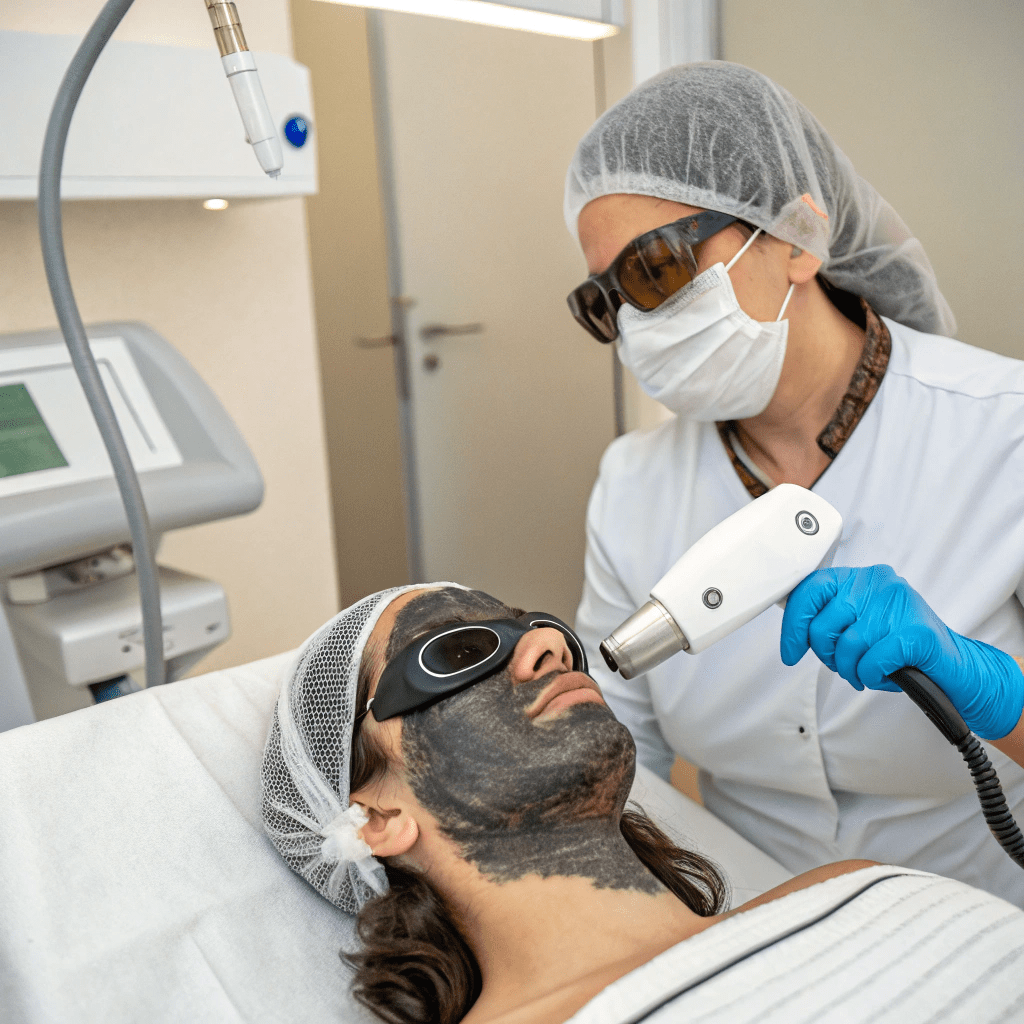
Carbon laser treatment, sometimes called a carbon peel, works by applying a thin layer of liquid carbon to the skin. This carbon settles into pores and absorbs impurities, oil, and dead skin. A laser is then passed over the skin, which the carbon particles absorb creates a controlled, gentle heating effect that improves the appearance of the skin by targeting pigmentation irregularities, uneven skin tone, and dullness while also vaporizing the carbon and pulling out debris from the pores.
In simple terms: the carbon acts like a target that the laser locks onto, so the laser energy is absorbed by the carbon layer rather than deeply penetrating your natural skin pigment. This is exactly why it tends to be gentler on melanin-rich skin compared to some other laser types.
Why Darker Skin Needs Extra Care With Lasers
To understand why carbon lasers are considered comparatively safe, you need to know why some lasers are riskier for Indian and other dark skin tones in the first place.
Many traditional lasers work by targeting melanin (the pigment in your skin) directly to treat things like unwanted hair or dark spots. The problem is that darker skin has more melanin spread throughout the entire skin, not just in the target area. If the laser’s wavelength or intensity isn’t calibrated correctly, it can affect surrounding melanin too, leading to:
- Post-inflammatory hyperpigmentation : Dark patches forming after the treated area heals
- Hypopigmentation : Lighter patches where the treatment removed too much pigment
- Burns : If the energy setting is too high for the skin type
This is a real, documented risk with certain laser types on Fitzpatrick skin types IV-VI (medium to deep brown skin, which covers most Indian skin tones) when performed incorrectly or by an inexperienced provider not because the technology itself is inherently unsafe.
Why Carbon Laser Is Considered Gentler
Carbon laser sidesteps much of this risk because it doesn’t rely on the laser directly targeting your skin’s natural melanin. Instead, the laser interacts primarily with the applied carbon layer. This means:
- Lower risk of triggering pigmentation changes compared to melanin-targeting lasers
- Minimal downtime most people can resume normal activities the same day
- A gentler entry point for people who are nervous about laser treatments but want visible results
This is why a carbon laser is often recommended as a starting treatment for pigmentation and dullness concerns, rather than jumping straight to more intensive laser toning.
What Carbon Laser Actually Helps With
- Mild pigmentation and uneven tone
- Enlarged pores and oiliness
- Dullness and rough texture
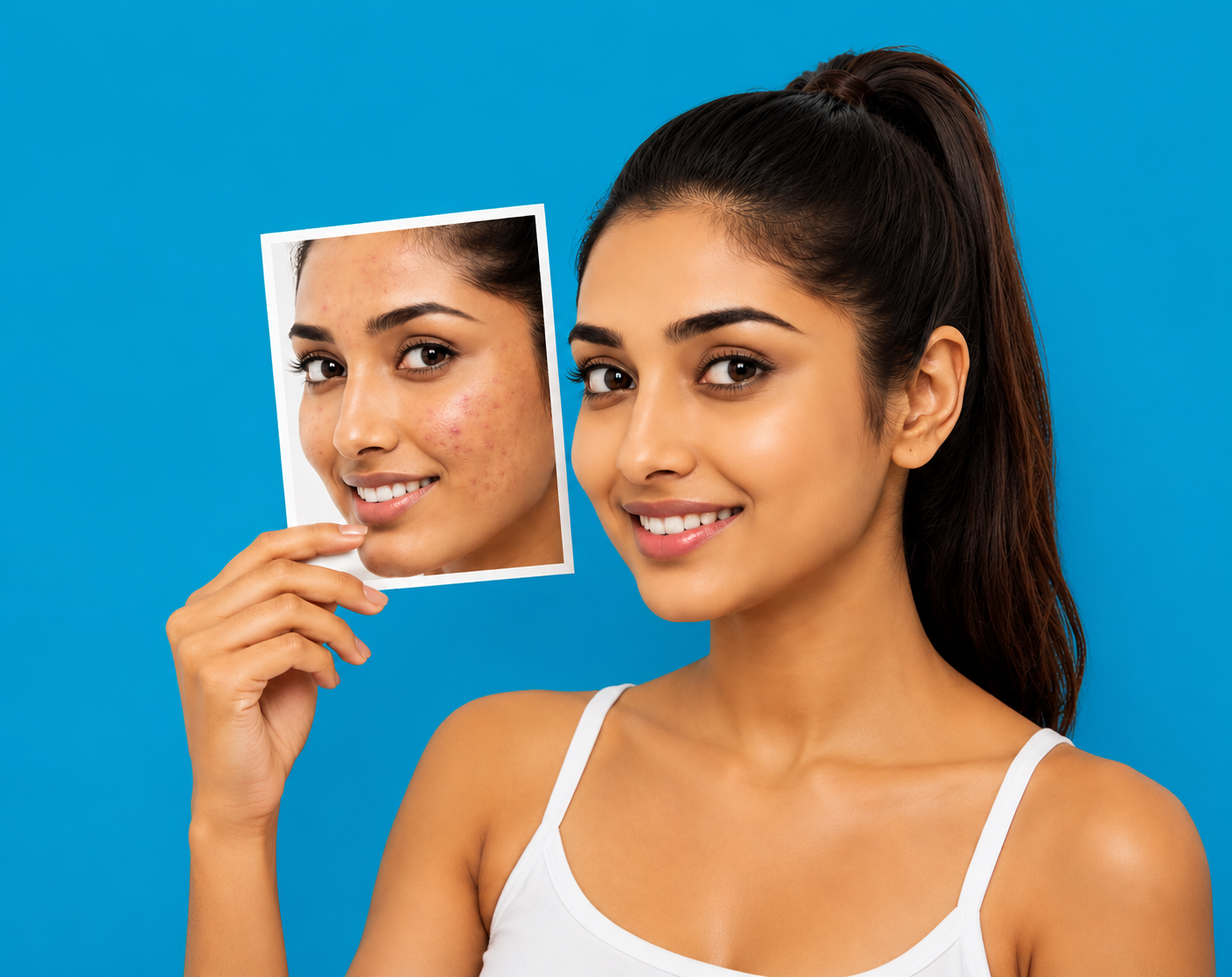
- Mild acne and blackheads (since it deep-cleans pores)
It’s important to set realistic expectations here: carbon lasers are generally not the go-to option for deep, stubborn pigmentation or melasma, which usually need a different or combined approach. If you’re not sure which category your concern falls into, this comparison of pigmentation, tan, and melasma is a useful starting point before booking any treatment.
What Still Matters for Safety
Even with a comparatively gentle treatment like carbon laser, a few things genuinely affect how safe and effective it is:
- Who’s performing it. The laser settings still need to be calibrated to your specific skin type. This is not a treatment to get done at an uncertified salon.
- Post-treatment sun care. Any laser treatment temporarily makes skin more sensitive to UV light. Skipping sunscreen afterward increases the risk of pigmentation, regardless of how gentle the treatment was.
- Number and spacing of sessions. Overdoing sessions too close together doesn’t speed up results, it just increases irritation risk.
- Active skin conditions. Active acne breakouts, eczema flare-ups, or recent sun damage should typically be addressed first or flagged to your dermatologist before treatment.
Who Should Be Cautious or Avoid It
- Pregnant or breastfeeding individuals (as a general precaution with most laser and light-based treatments)
- People with active skin infections or open wounds in the treatment area
- Anyone currently on strong acne medications like isotretinoin, which increase skin sensitivity
- People with a history of keloid scarring, who should discuss risks with a dermatologist first
This is exactly why a proper consultation matters more than the treatment name itself. The same carbon laser session that works beautifully for one person’s skin might not be the right call for someone with an active flare-up or a different underlying condition.
What to Expect During a Session
A typical session at a proper clinic involves a consultation to assess your skin, application of the liquid carbon layer, a resting period for it to settle into the pores, and then the laser pass itself usually taking 20-30 minutes in total. You can see the full process and what’s involved for carbon laser skin lightening here, or browse the complete range of skin treatments Elixify offers if you’re comparing options for your specific concern.
Frequently Asked Questions
- Does a carbon laser hurt?
Most people describe it as a mild warming or tingling sensation rather than pain, and it typically doesn’t require numbing cream. - How many sessions are needed to see results?
This varies by individual skin concern and is best discussed during a consultation, since factors like pore size, pigmentation depth, and skin oiliness all affect the recommended number of sessions. - Is there any downtime after carbon laser?
Downtime is minimal for most people, some mild redness may appear briefly, but it typically settles within a few hours, allowing most people to return to normal activities the same day. - Can carbon laser be combined with other treatments?
Yes, it’s often paired with treatments like hydrating facials or peels, though the right combination and spacing depends on your specific skin goals and should be planned by a dermatologist. - Is carbon laser a permanent fix for pigmentation?
No treatment offers a permanent guarantee against pigmentation, since new pigmentation can form from future sun exposure or other triggers. Consistent sun protection after treatment is what helps maintain results over time.
Curious whether a carbon laser is the right fit for your specific skin concern? A quick consultation with a dermatologist can confirm what’s safe and effective for your skin type. Book an appointment with Elixify for a personalized assessment.