Why Non-Surgical Weight Loss Solutions Are Effective
Obesity is not just about physical appearance; it’s a serious health condition that increases the risk of heart disease, diabetes, high blood pressure, and several other chronic illnesses. It can also contribute to depression, anxiety, and low self-esteem due to social stigma and physical limitations. For many, losing weight can seem like an overwhelming challenge. However, non-surgical weight loss options and non-invasive fat loss procedures have emerged as effective and safe alternatives to traditional methods like surgery or extreme dieting. In this blog, we’ll explore the factors contributing to obesity, the importance of addressing it, and how non-invasive weight loss treatments can help you achieve lasting results without the need for surgery.
What Can Obesity Lead To?
Obesity is more than just excess weight; it is a medical condition that can lead to various serious health complications. Here are some of the risks associated with obesity:
- Heart Disease: Obesity is one of the leading causes of heart disease, as it leads to high blood pressure, increased cholesterol levels, and inflammation of the arteries.
- Type 2 Diabetes: Excess weight, especially around the abdomen, increases the risk of insulin resistance, a precursor to type 2 diabetes.
- Joint Problems: Carrying excess weight puts additional strain on your joints, especially the knees, hips, and lower back, which can lead to conditions like osteoarthritis.
- Sleep Apnea: Obesity is linked to sleep apnea, a condition where breathing stops and starts during sleep, leading to poor sleep quality and increased fatigue.
- Stroke: Obesity increases the risk of stroke, as it contributes to conditions like high blood pressure and increased cholesterol levels.
- Cancer: Certain types of cancer, including breast, colon, and liver cancer, are more common in people who are obese.
- Mental Health Issues: Obesity can contribute to depression, anxiety, and low self-esteem due to social stigma and physical limitations. – mention it in the beginning
- Fatty Liver Disease: Obesity is a leading cause of fatty liver disease, which can result in liver damage if not managed.
- Gastrointestinal Issues: Obesity increases the risk of acid reflux and gallbladder disease.
- Reduced Life Expectancy: Studies have shown that obesity can significantly reduce life expectancy by increasing the likelihood of severe health issues.
Why Addressing Obesity Is Essential for Your Health:
Obesity is linked to various life-altering health conditions. From joint pain and sleep apnea to metabolic disorders, being overweight can significantly lower your quality of life. The good news is that with the right approach, you can reverse these health risks. Achieving and maintaining a healthy weight helps reduce the likelihood of chronic conditions, improves mobility, and boosts overall energy levels. By focusing on non-surgical weight loss options, you can shed excess fat without the need for invasive procedures, offering a safer and more convenient alternative to traditional weight loss methods.
Top 12 Factors Contributing to Obesity:
Understanding the reasons behind obesity is key to developing an effective weight loss plan. Many factors contribute to weight gain, and recognizing them can help you take a targeted approach. These include:
- Genetics: Your genes may influence your body’s ability to store fat and burn calories.
- Diet: High-calorie, processed foods contribute to weight gain when consumed in excess.
- Physical Inactivity: A sedentary lifestyle with minimal physical activity contributes to obesity.
- Hormonal Imbalances: Conditions like hypothyroidism or insulin resistance can slow down metabolism, making weight loss more difficult.
- Sleep: Poor sleep can disrupt hormones that regulate hunger, leading to overeating.
- Medications: Certain medications may cause weight gain as a side effect.
- Stress: Chronic stress increases cortisol levels, which in turn can trigger emotional eating.
- Age: As you age, metabolism slows, and losing weight becomes harder without adjustments in diet and exercise.
- Emotional Eating: Stress, anxiety, or depression can lead to overeating, further hindering weight loss efforts.
- Environment: Easy access to unhealthy food choices and lack of opportunities for physical activity can contribute to obesity.
- Social Influences: Family and peer habits can influence your eating patterns and exercise behaviors.
- Medical Conditions: Health conditions like metabolic syndrome or sleep apnea often coexist with obesity, making weight loss even more challenging.
How to Calculate Your Ideal Body Weight for Weight Loss:
Calculating your ideal weight is important in setting realistic goals for weight loss. Hamwi’s equation is a simple, effective method for estimating your ideal body weight:
- For men: Ideal body weight (kg) = 48.0 kg + 2.7 kg for each inch over 5 feet.
- For women: Ideal body weight (kg) = 45.5 kg + 2.2 kg for each inch over 5 feet.
This provides a basic framework, but remember that non-invasive fat loss procedures and professional consultations at a slimming clinic will give you more accurate, personalized recommendations for your weight loss goals.
Effective Non-Surgical Weight Loss Solutions at Your Reach:
Non-invasive weight loss treatments offer a promising alternative to surgery, enabling individuals to reduce stubborn fat without the risks and downtime associated with traditional methods. These treatments have become incredibly popular for individuals struggling with obesity who want to avoid invasive surgery. Here are some of the most effective non-surgical solutions:
- CoolSculpting: This FDA-approved non-invasive fat loss procedure uses cryolipolysis to freeze and eliminate fat cells from targeted areas of the body. It’s ideal for individuals looking to eliminate localized fat without surgery.
- Laser Lipolysis: This non-surgical treatment uses laser energy to break down fat cells, which are then naturally removed by the body. It’s one of the best slimming treatments for targeting body areas with excess fat.
- Ultrasound Cavitation: This technique uses sound waves to break up fat cells in areas like the abdomen, thighs, and love handles. It’s a highly effective, non-invasive fat loss option for reducing body fat.
- Radiofrequency Therapy: This procedure stimulates collagen production, tightens the skin, and targets fat, providing effective non-surgical weight loss by reshaping body contours.
- Body Contouring: Non-invasive body contouring procedures such as cryolipolysis and laser fat reduction are designed to target and reduce stubborn fat in areas resistant to diet and exercise. – remove
These treatments are safe, require little to no downtime, and provide noticeable results. Combining them with a healthy diet and regular physical activity can lead to a significant transformation in your weight loss journey.
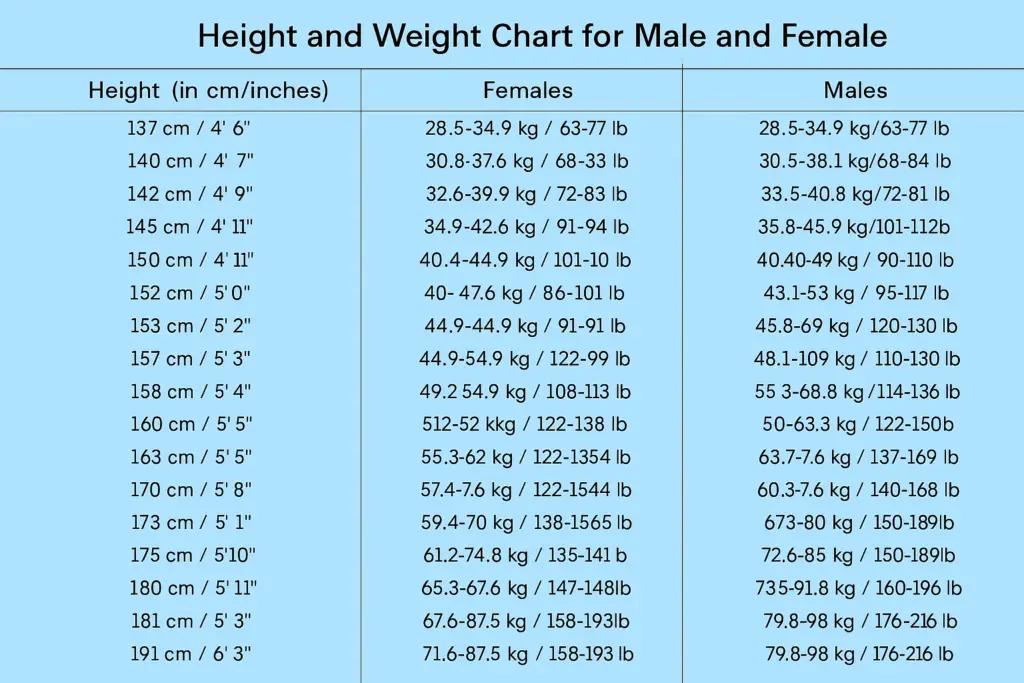
Height and Weight Chart for Obesity and Weight Loss:
Understanding where your weight stands in relation to your height is key to tracking your progress. Here’s a reference chart for height and weight that can serve as a guideline for weight loss:
BMI and Obesity:
Your Body Mass Index (BMI) is a useful tool to assess whether you are in a healthy weight range for your height. Here’s how to interpret it:
- BMI below 18.5: Underweight
- BMI 18.5 – 24.9: Normal weight
- BMI 25.0 – 29.9: Overweight
- BMI 30.0 or higher: Obese
A BMI of 30 or more indicates obesity, which increases the risk of serious health issues. If you fall into the obesity category, non-invasive fat loss procedures can help you get started on your weight loss journey in a safe and effective way.
10 Tips for Effective Weight Loss with Non-Surgical Methods:
- Focus on a Calorie Deficit: Ensure you burn more calories than you consume through diet and exercise to promote fat loss.
- Eat Whole, Nutrient-Dense Foods: Opt for foods rich in fiber, protein, and healthy fats to reduce cravings and increase satiety.
- Stay Active: Engage in regular physical activity, including strength training and cardiovascular exercise.
- Hydrate: Drink plenty of water to flush out toxins and support healthy metabolism.
- Sleep Well: Aim for 7-9 hours of quality sleep to regulate hormones that affect hunger and fat storage.
- Limit Processed Foods: Cut down on high-sugar, high-fat processed foods that contribute to weight gain.
- Manage Stress: Stress can trigger emotional eating. Practice relaxation techniques to keep stress levels under control.
- Incorporate Non-Invasive Treatments: Use non-surgical weight loss options like laser lipolysis or CoolSculpting to target stubborn fat areas.
- Monitor Your Progress: Track your weight loss and body measurements to stay on track.
- Seek Professional Help: Work with a weight loss expert to create a personalized plan and choose the best slimming treatments for your needs should be the first point
Transform Your Body and Health with Non-Surgical Weight Loss
Obesity is a complex issue, but the good news is that you don’t have to face it alone. With the help of non-invasive fat loss procedures and non-surgical weight loss treatments, achieving a healthy weight is now easier and more accessible than ever. These treatments, combined with a healthy diet and exercise, offer an effective and safe way to reduce fat and improve your overall well-being.
Ready to take the first step towards a healthier you? Contact Elixify hair, skin and Slimming Clinic today to explore the best slimming treatments and begin your non-surgical weight loss journey.