
Why Love Handles Are Hard to Lose and How to Reduce Them Without Surgery
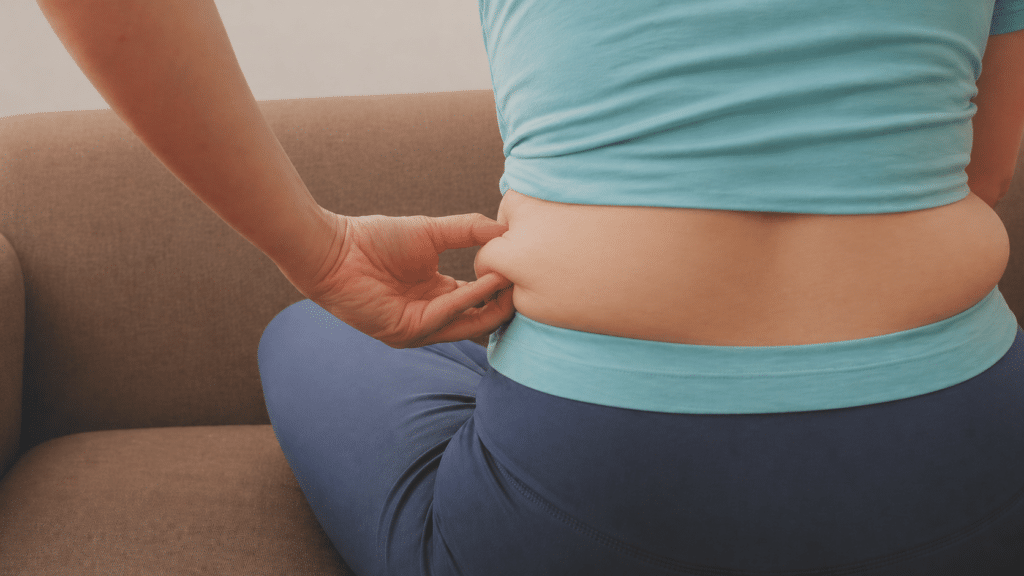
You’ve searched for love handles exercises. You’ve done the side planks, the bicycle crunches, the oblique twists every morning, consistently, for months. And yet the question remains the same: how to get rid of love handles when nothing seems to move them. This is one of the most common frustrations people bring to us, and the answer is not a harder workout or a stricter diet. It starts with understanding why this particular area of fat behaves so differently from the rest of your body and then choosing the right tool for the job. Do Love Handles Exercises Actually Work? The short answer is yes but not in the way most people hope. Exercises like Russian twists, side bends, and oblique crunches genuinely strengthen the muscles beneath the love handle area. Your core becomes more stable, your posture improves, and your overall fitness benefits. None of that is wasted effort. But here’s where most people get it wrong: strengthening a muscle and removing the fat that sits above it are two entirely separate biological processes. When you exercise, your body burns calories from its global energy reserves it does not pull fuel from the specific spot you’re working. Exercise scientists call this the “spot reduction myth,” and it has been confirmed repeatedly in research. Targeting the obliques during a workout does not instruct your body to burn fat from the love handle zone any more than chewing increases fat loss from your jaw. So love handles exercises are valuable. They are simply solving a different problem than the one most people are trying to fix. Why Love Handles Are Hard to Lose: The Biology Behind It If you’ve ever wondered why your face slims down before your waist does, the answer lies in how your body classifies and manages different types of fat. Love handles are made up primarily of subcutaneous fat that sits just beneath the skin rather than around the organs. This type of fat has a different receptor profile than fat in other parts of the body. It has more alpha-receptors, which resist fat-release signals from hormones, and fewer beta-receptors, which are the ones that trigger fat breakdown. In simpler terms: the fat in your love handle area is biologically wired to stay put, even when the rest of your body is responding to diet and exercise. This is also why why love handles are hard to lose is one of the most searched questions on this topic because people are already doing everything right and still not seeing change in this specific area. The biology is working against them, not their effort. How to Lose Love Handles for Women: The Hormonal Factor For women, there is an additional layer to this challenge that rarely gets addressed directly. Estrogen the primary female sex hormone naturally instructs the body to store fat around the waist, hips, and thighs. This is not a malfunction. It is the body’s way of maintaining fat reserves that historically supported pregnancy and lactation. The pattern becomes more pronounced during hormonal shifts: stress spikes, menstrual cycle changes, perimenopause, or the years following pregnancy. Cortisol, the stress hormone, also plays a role. When cortisol is chronically elevated which is common with disrupted sleep, long work hours, or sustained pressure it actively encourages fat storage around the abdomen and side waist. Women who are managing high-stress lifestyles may find that their love handles grow even when their overall diet is reasonable. This is why how to lose love handles for women is not simply a question of calories and movement. Hormonal patterns set the rules for where your body stores and releases fat, and those rules tend to favour the waist region especially as you move through your thirties and forties. What Actually Works for Stubborn Side Waist Fat Here’s where the conversation shifts from understanding the problem to addressing it practically. If you are close to a healthy weight, eating reasonably well, and already active yet the love handle area has not responded in months then you are a candidate for targeted fat reduction rather than general lifestyle change. The distinction matters because the tools are different. Permanent fat freeze (CoolSculpting), also known as cryolipolysis, is a non-invasive treatment that works by applying controlled, precise cold to the fat layer beneath the skin. Fat cells are uniquely sensitive to cold more so than the surrounding skin and muscle. When exposed to specific cooling temperatures, they crystallise and break down. Over the following weeks, your body’s lymphatic system naturally flushes out these damaged cells. The science behind this is simpler than it sounds: the fat cells that are removed do not regenerate. The reduction in that area is permanent, provided overall body weight remains stable. Unlike exercise, which relies on burning calories across your whole body, CoolSculpting acts directly on the specific fat deposits the ones your diet and gym routine were never equipped to target. Most people begin to notice changes around three weeks after treatment, with the full result typically visible between eight and twelve weeks. Other Areas Where Fat Freezing Is Commonly Used The same principle that makes fat freezing effective for love handles applies to other areas where subcutaneous fat tends to accumulate. The outer thighs, lower abdomen, upper arms, and the area under the chin are all commonly treated. If you’ve been considering double chin reduction alongside waist contouring, both can often be addressed within the same treatment plan. Who Is a Good Candidate for This Approach? Fat freezing is not a weight-loss treatment and is not designed for people looking to reduce significant overall body weight. It works best for a specific profile: people who are already living reasonably well but have localised, stubborn fat deposits that have not responded to sustained lifestyle effort. You are likely a good fit if you are within approximately 10 to 15 kilograms of your target weight, your love handles are visible and feel soft to the touch (this indicates subcutaneous fat rather
Non-Surgical Double Chin Reduction: A Safe and Effective Solution
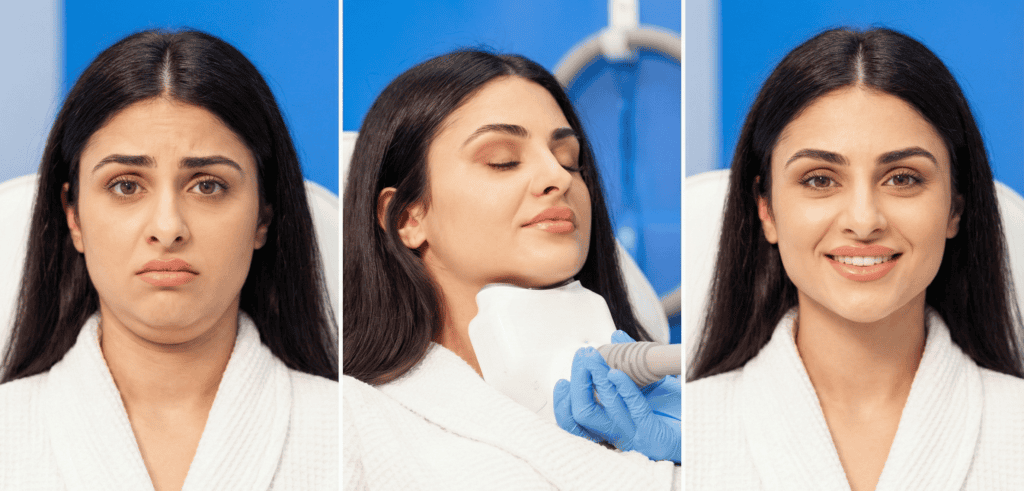
Non-Surgical Solutions for Double Chin Reduction Having a double chin can make you feel self-conscious, and many women struggle with the desire to achieve a more sculpted jawline. Whether it’s due to aging, weight gain, or genetics, a double chin can make the face appear fuller and more elongated. The good news? You don’t need to resort to invasive surgery to achieve a smoother, more defined jawline. Non-surgical double chin reduction treatments are here to help you get the look you want without the risks or long recovery times associated with surgery. Let’s explore some of the best double chin reduction options and why they are safe, effective, and a great choice for most people. Why Do Women Feel Insecure About Double Chins? Many women find themselves feeling insecure about a double chin. It can affect how they view their own appearance, making them feel less confident. A double chin can cause the face to look more rounded and elongated, hiding the natural contour of the jawline. For many, this results in the feeling that their face lacks definition or looks heavier than it actually is. As we age, the skin naturally loses elasticity, which can make a double chin more noticeable. Even individuals who maintain a healthy weight may struggle with excess fat under the chin. It’s not always something that can be easily fixed with exercise or dieting, and that’s where non-surgical treatments come into play. The Best Non-Surgical Double Chin Reduction Treatments Non-surgical treatments are becoming more popular because they are safe, effective, and require minimal downtime. These treatments use advanced technologies to target fat or tighten skin, giving you a contoured, youthful jawline. Let’s take a look at the top double chin reduction treatments that help you remove double chin without surgery. 1. Kybella Injections: Fat-Dissolving Solution Kybella is an FDA-approved injectable treatment that helps reduce submental fat, which is the fat under the chin. It’s the first FDA-approved injectable treatment specifically designed to target and eliminate double chin fat. The active ingredient in Kybella is deoxycholic acid, which naturally occurs in the body to help break down fat. How Kybella Works: The injections are made directly into the fat under your chin. The deoxycholic acid breaks down fat cells, which are then absorbed and removed by the body naturally. Multiple sessions (usually 2-4) may be needed to achieve the best results, spaced about 4-6 weeks apart. Benefits: Permanent results: Once the fat cells are destroyed, they do not come back, so it’s an effective jawline fat removal solution. Minimal downtime: While you may experience some swelling or bruising, you can return to your normal activities immediately after the treatment. 2. CoolSculpting: Fat-Freezing Technology CoolSculpting is a non-invasive procedure that uses cold temperatures to freeze fat cells, targeting fat in areas like the chin. This process, known as cryolipolysis, is effective for reducing fat and contouring the chin without surgery. It’s a great way to reduce double chin fat and achieve a more defined jawline. How CoolSculpting Works: A cooling applicator is placed on the chin area. The fat cells in the targeted area are frozen, causing them to break down. Over the next few weeks, the body naturally eliminates these fat cells, gradually reducing the appearance of a double chin. Benefits: No needles or surgery: CoolSculpting is completely non-invasive, so you don’t need to worry about injections or cuts. Little to no downtime: You can resume normal activities immediately after the procedure. Natural-looking results: The gradual elimination of fat gives a more natural, smooth contour to your chin area. Why Non-Surgical Treatments Are Safer and More Effective Women who want to remove double chin often wonder whether non-surgical treatments are safe. The truth is, non-surgical double chin reduction procedures offer many advantages over traditional surgical options like liposuction. Here’s why these treatments are safer and the best option for many people: No Surgery, No Scarring Unlike liposuction or other surgical options, non-surgical treatments require no incisions. This means there’s no risk of scarring or the long recovery time that comes with surgery. You can achieve a slimmer chin without the need for cuts or stitches. Lower Risk of Side Effects Non-surgical treatments like Kybella and CoolSculpting come with minimal risks compared to surgery. There’s no general anesthesia required, and most side effects are mild such as swelling, bruising, or redness and typically resolve quickly. Quick Recovery One of the biggest advantages of non-surgical treatments is that there’s minimal downtime. Most women can return to their regular routine immediately after the procedure, which is a huge benefit for those with busy schedules. Gradual, Natural-Looking Results Unlike surgery, non-surgical treatments typically offer gradual results, which look more natural. The fat is reduced over time, allowing the body to adjust slowly and maintain a smooth, contoured appearaance. Affordable and Convenient Non-surgical options tend to be more affordable than surgical treatments like liposuction. Plus, they usually require fewer sessions, making them more convenient for those who want results without spending too much time in the clinic. A Confident, Sculpted Jawline Is Within Reach A double chin can affect a woman’s confidence, but non-surgical double chin reduction treatments offer a safe, effective, and affordable solution. With options like Kybella injections and CoolSculpting, women can contour their chin and jawline without the risks or downtime associated with surgery. Whether you’re looking for targeted fat reduction or improved jawline definition, these treatments provide a customizable, non-invasive path to a more youthful, sculpted look. If you’re ready to say goodbye to your double chin and embrace a more defined jawline, consider these non-surgical treatments. They are designed to deliver visible results with minimal risk and downtime. Visit Elixify, the best slimming clinic in Chennai, where FDA-approved skin, hair, and body treatments are safe, personalized, and focused on real, visible transformation. Consult with experienced professionals to identify the most effective double chin reduction solution tailored to your needs and take the next step toward a more confident you.
Overcoming Obesity: A Guide to Achieving Healthy Weight Loss with Non Surgical Solutions
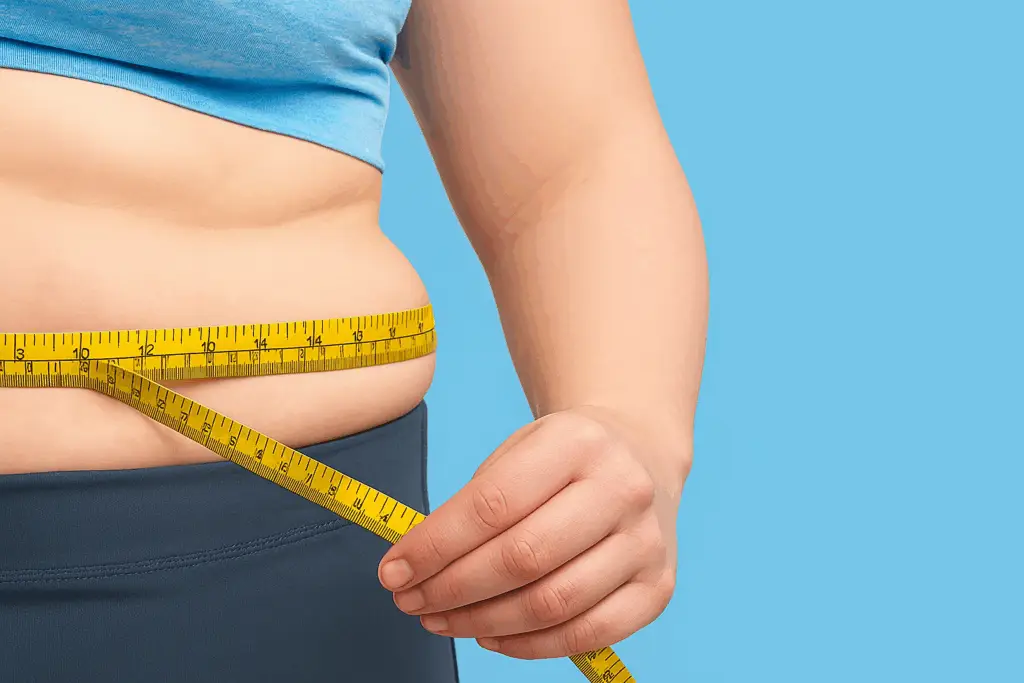
Why Non-Surgical Weight Loss Solutions Are Effective Obesity is not just about physical appearance; it’s a serious health condition that increases the risk of heart disease, diabetes, high blood pressure, and several other chronic illnesses. It can also contribute to depression, anxiety, and low self-esteem due to social stigma and physical limitations. For many, losing weight can seem like an overwhelming challenge. However, non-surgical weight loss options and non-invasive fat loss procedures have emerged as effective and safe alternatives to traditional methods like surgery or extreme dieting. In this blog, we’ll explore the factors contributing to obesity, the importance of addressing it, and how non-invasive weight loss treatments can help you achieve lasting results without the need for surgery. What Can Obesity Lead To? Obesity is more than just excess weight; it is a medical condition that can lead to various serious health complications. Here are some of the risks associated with obesity: Heart Disease: Obesity is one of the leading causes of heart disease, as it leads to high blood pressure, increased cholesterol levels, and inflammation of the arteries. Type 2 Diabetes: Excess weight, especially around the abdomen, increases the risk of insulin resistance, a precursor to type 2 diabetes. Joint Problems: Carrying excess weight puts additional strain on your joints, especially the knees, hips, and lower back, which can lead to conditions like osteoarthritis. Sleep Apnea: Obesity is linked to sleep apnea, a condition where breathing stops and starts during sleep, leading to poor sleep quality and increased fatigue. Stroke: Obesity increases the risk of stroke, as it contributes to conditions like high blood pressure and increased cholesterol levels. Cancer: Certain types of cancer, including breast, colon, and liver cancer, are more common in people who are obese. Mental Health Issues: Obesity can contribute to depression, anxiety, and low self-esteem due to social stigma and physical limitations. – mention it in the beginning Fatty Liver Disease: Obesity is a leading cause of fatty liver disease, which can result in liver damage if not managed. Gastrointestinal Issues: Obesity increases the risk of acid reflux and gallbladder disease. Reduced Life Expectancy: Studies have shown that obesity can significantly reduce life expectancy by increasing the likelihood of severe health issues. Why Addressing Obesity Is Essential for Your Health: Obesity is linked to various life-altering health conditions. From joint pain and sleep apnea to metabolic disorders, being overweight can significantly lower your quality of life. The good news is that with the right approach, you can reverse these health risks. Achieving and maintaining a healthy weight helps reduce the likelihood of chronic conditions, improves mobility, and boosts overall energy levels. By focusing on non-surgical weight loss options, you can shed excess fat without the need for invasive procedures, offering a safer and more convenient alternative to traditional weight loss methods. Top 12 Factors Contributing to Obesity: Understanding the reasons behind obesity is key to developing an effective weight loss plan. Many factors contribute to weight gain, and recognizing them can help you take a targeted approach. These include: Genetics: Your genes may influence your body’s ability to store fat and burn calories. Diet: High-calorie, processed foods contribute to weight gain when consumed in excess. Physical Inactivity: A sedentary lifestyle with minimal physical activity contributes to obesity. Hormonal Imbalances: Conditions like hypothyroidism or insulin resistance can slow down metabolism, making weight loss more difficult. Sleep: Poor sleep can disrupt hormones that regulate hunger, leading to overeating. Medications: Certain medications may cause weight gain as a side effect. Stress: Chronic stress increases cortisol levels, which in turn can trigger emotional eating. Age: As you age, metabolism slows, and losing weight becomes harder without adjustments in diet and exercise. Emotional Eating: Stress, anxiety, or depression can lead to overeating, further hindering weight loss efforts. Environment: Easy access to unhealthy food choices and lack of opportunities for physical activity can contribute to obesity. Social Influences: Family and peer habits can influence your eating patterns and exercise behaviors. Medical Conditions: Health conditions like metabolic syndrome or sleep apnea often coexist with obesity, making weight loss even more challenging. How to Calculate Your Ideal Body Weight for Weight Loss: Calculating your ideal weight is important in setting realistic goals for weight loss. Hamwi’s equation is a simple, effective method for estimating your ideal body weight: For men: Ideal body weight (kg) = 48.0 kg + 2.7 kg for each inch over 5 feet. For women: Ideal body weight (kg) = 45.5 kg + 2.2 kg for each inch over 5 feet. This provides a basic framework, but remember that non-invasive fat loss procedures and professional consultations at a slimming clinic will give you more accurate, personalized recommendations for your weight loss goals. Effective Non-Surgical Weight Loss Solutions at Your Reach: Non-invasive weight loss treatments offer a promising alternative to surgery, enabling individuals to reduce stubborn fat without the risks and downtime associated with traditional methods. These treatments have become incredibly popular for individuals struggling with obesity who want to avoid invasive surgery. Here are some of the most effective non-surgical solutions: CoolSculpting: This FDA-approved non-invasive fat loss procedure uses cryolipolysis to freeze and eliminate fat cells from targeted areas of the body. It’s ideal for individuals looking to eliminate localized fat without surgery. Laser Lipolysis: This non-surgical treatment uses laser energy to break down fat cells, which are then naturally removed by the body. It’s one of the best slimming treatments for targeting body areas with excess fat. Ultrasound Cavitation: This technique uses sound waves to break up fat cells in areas like the abdomen, thighs, and love handles. It’s a highly effective, non-invasive fat loss option for reducing body fat. Radiofrequency Therapy: This procedure stimulates collagen production, tightens the skin, and targets fat, providing effective non-surgical weight loss by reshaping body contours. Body Contouring: Non-invasive body contouring procedures such as cryolipolysis and laser fat reduction are designed to target and reduce stubborn fat in areas resistant to diet and exercise. – remove These treatments are safe,
Reduce Body Fat Without the Gym: A Guide to CoolSculpting
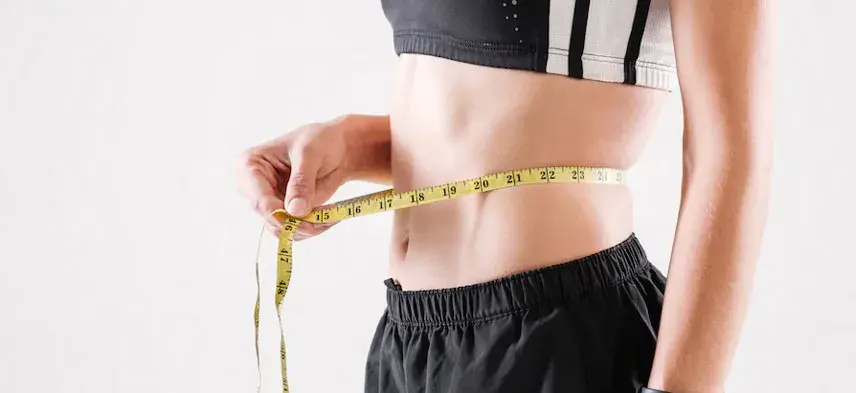
What is CoolSculpting? CoolSculpting is the world’s leading non-surgical cosmetic treatment designed to reduce fat in areas such as the face, neck, and other parts of the body by freezing fat cells. This FDA-approved method uses cold temperatures to break down fat cells while preserving surrounding tissues. How Does CoolSculpting Work? CoolSculpting Treatment uses a process called cryolipolysis to get rid of fat cells by freezing them. Here’s how it works simply: Cold Temperatures: CoolSculpting uses very cold temperatures to target fat cells under your skin. No Surgery Needed: There are no needles, cuts, or anesthesia involved in the procedure. It’s completely non-surgical. Fat Cells Freeze and Die: The cold temperatures freeze the fat cells. This leads to the gradual death of the fat cells. Safe for Surrounding Areas: The treatment targets only fat cells, keeping nearby nerves, tissues, and muscles safe. Over time, your body naturally gets rid of the dead fat cells, making the treated area look slimmer. How Does the Procedure Work? CoolSculpting is done by a doctor or a trained healthcare specialist. They use a handheld device with parts that look like vacuum cleaner nozzles.Here’s a simple explanation of how it works: Application: The specialist applies a gel to the area where you want to reduce fat.. They then place the applicator on the gel-covered area. Treatment: The device is moved over your skin. The specialist monitors the suction and cooling to make sure the fat cells are being targeted correctly. Multiple Areas: Some CoolSculpting machines can treat more than one area at a time, so you can have multiple areas treated in one visit. This process helps to freeze and break down fat cells in the targeted areas. Preparing for CoolSculpting Getting ready for CoolSculpting is simple and doesn’t require a lot of effort. Key points to remember: Ensure Good Health and Ideal Weight Good Health: Make sure you are generally healthy before undergoing CoolSculpting.This will help your body react better to the treatment. Close to Ideal Weight: CoolSculpting is designed to get rid of small fat bulges, not to help you lose a lot of weight. Make sure you’re at your target weight before the procedure. Avoid Anti-Inflammatories Medication: Don’t take anti-inflammatory medications like aspirin before your treatment.These can increase the chance of bruising and other minor side effects.. Stopping them ahead of time will make the procedure more comfortable. What Areas Can Be Treated by CoolSculpting? CoolSculpting can target and treat areas of the body where stubborn fat builds up. Now, let’s examine each area more closely. Upper and Lower Abdomen Upper Abdomen: The area above the belly button where fat can accumulate and create a bulge. CoolSculpting can shape this area to create a flatter look. Lower Abdomen: The area below the belly button, commonly referred to as the lower belly or “pooch.” This is a frequent problem area for many people, and CoolSculpting can help reduce the fat here to create a smoother, more toned look. Arms Upper Arms: Fat can gather in the upper arms, leading to a condition often referred to as “bat wings.” CoolSculpting targets these fat deposits to help slim and tone the upper arms, making them appear more defined. Flanks Love Handles: The flanks, or love handles, are the areas on the sides of the body just above the hips. These can be challenging to reduce with diet and exercise alone. CoolSculpting can effectively target this area to reduce the appearance of love handles and create a more streamlined silhouette. Inner and Outer Thighs Inner Thighs: Fat accumulation on the inner thighs can lead to discomfort and chafing. CoolSculpting can help reduce the fat in this area, allowing for a gap between the thighs and a more comfortable, aesthetic contour. Outer Thighs: Sometimes called “saddlebags,” fat on the outer thighs can create an uneven appearance.CoolSculpting can smooth and reduce the fat in this area, resulting in a more balanced and slender thigh shape. Chin Area (or Double Chin) Submental Fat: The area under the chin, commonly known as a double chin, can be particularly resistant to diet and exercise. CoolSculpting can target and reduce this submental fat, enhancing the jawline and profile for a more defined and youthful appearance. Underneath the Buttocks (or Banana Roll) Banana Roll: The fat deposit found directly beneath the buttocks can create a roll-like appearance. CoolSculpting can effectively reduce this fat, making the buttocks and upper thighs smoother and better aligned. Bra and Back Fat Bra Fat: Fat that bulges around the bra line, including the upper back and sides, can be noticeable and uncomfortable. CoolSculpting can help smooth these bulges for a more streamlined appearance. Back Fat: Fat accumulation on the upper and lower back can create rolls and lumps. CoolSculpting can target these areas to reduce fat and create a smoother, more toned back profile. Each of these areas can benefit from CoolSculpting’s targeted fat reduction, helping individuals achieve a more contoured and toned appearance where stubborn fat tends to linger despite a healthy lifestyle. How Long Does CoolSculpting Last? CoolSculpting permanently removes the treated fat cells. The results can last for about 6-9 years, and maintaining a healthy lifestyle will help preserve these results. Are There Any Sensations or Side Effects Involved in CoolSculpting? CoolSculpting treatment is safe with minimal side effects, and many people find the experience quite manageable. Here’s what you might feel during and after the procedure: Refreshing Coolness: You’ll feel a strong, refreshing coolness at first, which many find invigorating. Gentle Pulling: The device applies a gentle pulling sensation as it works, similar to a firm massage. Tingling: A mild tingling sensation may occur, which can feel like gentle vibrations. Light Stinging: Some people experience a light stinging, akin to the tingles felt in your fingers on a cold day. Mild Cramping: You might feel mild cramping in the treated area, similar to a light workout. Slight Aching: There could be a slight aching sensation, much like the feeling after a good stretch.