
Why Love Handles Are Hard to Lose and How to Reduce Them Without Surgery
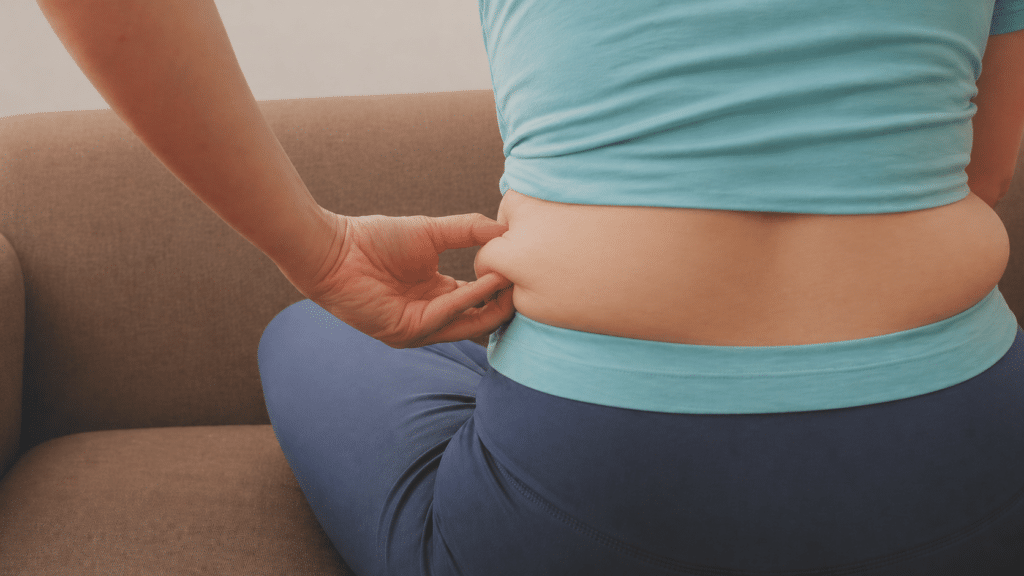
You’ve searched for love handles exercises. You’ve done the side planks, the bicycle crunches, the oblique twists every morning, consistently, for months. And yet the question remains the same: how to get rid of love handles when nothing seems to move them. This is one of the most common frustrations people bring to us, and the answer is not a harder workout or a stricter diet. It starts with understanding why this particular area of fat behaves so differently from the rest of your body and then choosing the right tool for the job. Do Love Handles Exercises Actually Work? The short answer is yes but not in the way most people hope. Exercises like Russian twists, side bends, and oblique crunches genuinely strengthen the muscles beneath the love handle area. Your core becomes more stable, your posture improves, and your overall fitness benefits. None of that is wasted effort. But here’s where most people get it wrong: strengthening a muscle and removing the fat that sits above it are two entirely separate biological processes. When you exercise, your body burns calories from its global energy reserves it does not pull fuel from the specific spot you’re working. Exercise scientists call this the “spot reduction myth,” and it has been confirmed repeatedly in research. Targeting the obliques during a workout does not instruct your body to burn fat from the love handle zone any more than chewing increases fat loss from your jaw. So love handles exercises are valuable. They are simply solving a different problem than the one most people are trying to fix. Why Love Handles Are Hard to Lose: The Biology Behind It If you’ve ever wondered why your face slims down before your waist does, the answer lies in how your body classifies and manages different types of fat. Love handles are made up primarily of subcutaneous fat that sits just beneath the skin rather than around the organs. This type of fat has a different receptor profile than fat in other parts of the body. It has more alpha-receptors, which resist fat-release signals from hormones, and fewer beta-receptors, which are the ones that trigger fat breakdown. In simpler terms: the fat in your love handle area is biologically wired to stay put, even when the rest of your body is responding to diet and exercise. This is also why why love handles are hard to lose is one of the most searched questions on this topic because people are already doing everything right and still not seeing change in this specific area. The biology is working against them, not their effort. How to Lose Love Handles for Women: The Hormonal Factor For women, there is an additional layer to this challenge that rarely gets addressed directly. Estrogen the primary female sex hormone naturally instructs the body to store fat around the waist, hips, and thighs. This is not a malfunction. It is the body’s way of maintaining fat reserves that historically supported pregnancy and lactation. The pattern becomes more pronounced during hormonal shifts: stress spikes, menstrual cycle changes, perimenopause, or the years following pregnancy. Cortisol, the stress hormone, also plays a role. When cortisol is chronically elevated which is common with disrupted sleep, long work hours, or sustained pressure it actively encourages fat storage around the abdomen and side waist. Women who are managing high-stress lifestyles may find that their love handles grow even when their overall diet is reasonable. This is why how to lose love handles for women is not simply a question of calories and movement. Hormonal patterns set the rules for where your body stores and releases fat, and those rules tend to favour the waist region especially as you move through your thirties and forties. What Actually Works for Stubborn Side Waist Fat Here’s where the conversation shifts from understanding the problem to addressing it practically. If you are close to a healthy weight, eating reasonably well, and already active yet the love handle area has not responded in months then you are a candidate for targeted fat reduction rather than general lifestyle change. The distinction matters because the tools are different. Permanent fat freeze (CoolSculpting), also known as cryolipolysis, is a non-invasive treatment that works by applying controlled, precise cold to the fat layer beneath the skin. Fat cells are uniquely sensitive to cold more so than the surrounding skin and muscle. When exposed to specific cooling temperatures, they crystallise and break down. Over the following weeks, your body’s lymphatic system naturally flushes out these damaged cells. The science behind this is simpler than it sounds: the fat cells that are removed do not regenerate. The reduction in that area is permanent, provided overall body weight remains stable. Unlike exercise, which relies on burning calories across your whole body, CoolSculpting acts directly on the specific fat deposits the ones your diet and gym routine were never equipped to target. Most people begin to notice changes around three weeks after treatment, with the full result typically visible between eight and twelve weeks. Other Areas Where Fat Freezing Is Commonly Used The same principle that makes fat freezing effective for love handles applies to other areas where subcutaneous fat tends to accumulate. The outer thighs, lower abdomen, upper arms, and the area under the chin are all commonly treated. If you’ve been considering double chin reduction alongside waist contouring, both can often be addressed within the same treatment plan. Who Is a Good Candidate for This Approach? Fat freezing is not a weight-loss treatment and is not designed for people looking to reduce significant overall body weight. It works best for a specific profile: people who are already living reasonably well but have localised, stubborn fat deposits that have not responded to sustained lifestyle effort. You are likely a good fit if you are within approximately 10 to 15 kilograms of your target weight, your love handles are visible and feel soft to the touch (this indicates subcutaneous fat rather