
Chemical Peel for Dark Spots, Pigmentation, Acne Scars & Tan Removal: Complete Guide
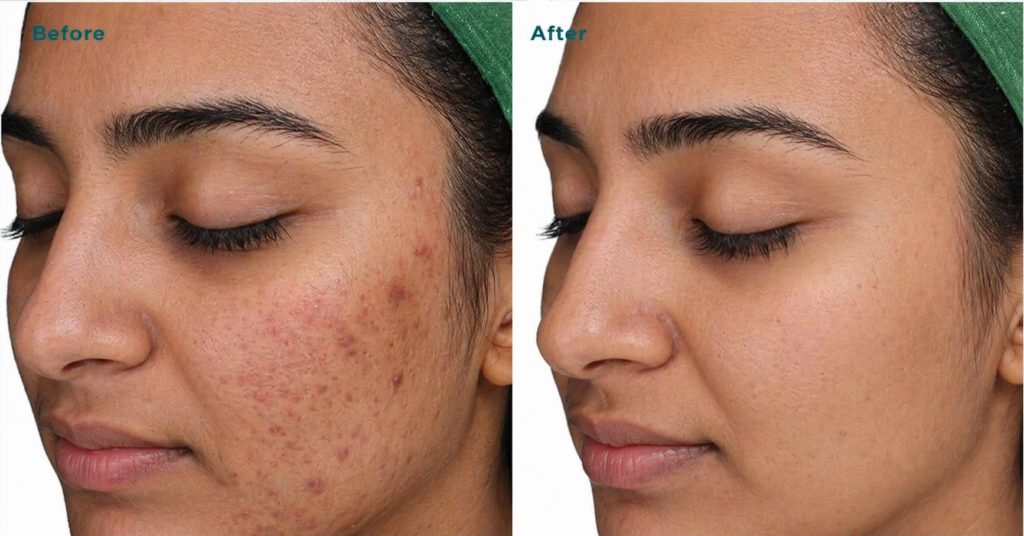
You’ve tried the serums. You’ve layered on the sunscreen. You’ve been disciplined with your routine for months and yet the dark spots are still there. The acne marks haven’t budged. The uneven skin tone you’ve been fighting since last summer still looks back at you in the mirror every morning. If that sounds familiar, you are not alone and more importantly, you are not stuck. Chemical peels are one of the most clinically validated, dermatologist-recommended treatments for skin concerns like pigmentation, dark spots, acne scars, pimple marks, tan, and dull skin. But with so much noise online about what peels can and can’t do, it’s hard to know what to believe or where to start. This guide is written by practicing dermatologists at Elixify with the goal of giving you one clear, honest, medically grounded resource so you can make an informed decision about your skin. What Is a Chemical Peel? (And What It Actually Does to Your Skin) A chemical peel is a clinical skin resurfacing treatment in which a carefully selected chemical solution is applied to the skin to accelerate controlled exfoliation meaning it intentionally removes damaged, pigmented, or scarred outer skin layers to allow fresher, healthier skin to regenerate in its place. The word “chemical” sometimes makes people nervous, but the solutions used in professional peels such as glycolic acid, salicylic acid, trichloroacetic acid (TCA), lactic acid, and mandelic acid are well-studied compounds that have been used safely in dermatology for decades. The key is choosing the right acid, the right concentration, and the right technique for your specific skin type. That’s what separates a clinical peel from an at-home product. There are three broad categories of chemical peels, each targeting a different depth of the skin: Superficial Peels work on the outermost layer of skin (the epidermis). They are excellent for brightening dull skin, mild tan removal, and improving overall texture. Recovery is minimal most people return to their routine within 24 to 48 hours. Medium-Depth Peels penetrate into the upper dermis and are considerably more effective for chemical peel for pigmentation, moderate acne scars, and stubborn dark spots. Some redness and peeling over 5 to 7 days is expected, but the results are meaningfully more visible. Deep Peels reach the mid-dermis and are reserved for severe sun damage, deep wrinkles, and heavily scarred skin. These require professional supervision, a structured recovery plan, and are performed only when clinically appropriate. Chemical Peel for Pigmentation: Why Dark Spots Keep Coming Back (And How Peels Break the Cycle) Pigmentation whether it’s melasma, sun spots, post-inflammatory hyperpigmentation (PIH), or hormone-triggered discoloration is one of the most common skin complaints among patients in Chennai and across South India, where UV exposure is intense year-round. Here’s where most people get it wrong: they treat pigmentation as a surface problem and reach for brightening creams. But the root of most pigmentation lies in overactive melanocytes the pigment-producing cells that sit in the deeper epidermal layers. Topical creams rarely penetrate deep enough to make a lasting difference on their own. A chemical peel for pigmentation addresses this at a structural level. By removing the upper layers of pigmented skin and suppressing melanocyte activity through specific peeling agents, the treatment reduces both existing discoloration and the skin’s tendency to produce excess pigment. Ingredients like azelaic acid, kojic acid, and TCA used in formulated peels work together to inhibit tyrosinase the enzyme responsible for melanin production. Over a series of sessions, patients typically notice a progressive, natural-looking improvement in skin evenness rather than an abrupt overnight change. For those dealing with facial pigmentation alongside hormonal concerns, it is important to combine chemical peels with appropriate sun protection and, in some cases, topical maintenance treatments. Your dermatologist will guide you on this. What to realistically expect: Mild pigmentation may visibly improve after 2 to 3 sessions. Moderate to severe melasma or deep hyperpigmentation may require 4 to 6 sessions spaced 3 to 4 weeks apart, with ongoing maintenance. Chemical Peel for Dark Spots: Targeting Stubborn Marks with Clinical Precision Dark spots are a broad category that includes sun spots, age spots, freckles, and post-acne marks and they respond very differently to treatment depending on their origin and depth. Superficial dark spots caused by mild sun exposure often respond well to glycolic acid or lactic acid peels over 3 to 4 sessions. Deeper, more stubborn marks particularly those left behind by severe acne or prolonged sun exposure typically require medium-depth peels with TCA or a combination peel protocol. At Elixify, we assess each patient’s Fitzpatrick skin type before recommending a peel. This is a standardised dermatological scale that determines how your skin reacts to UV exposure and, critically, how it is likely to respond to chemical exfoliation. Darker skin tones (Fitzpatrick IV–VI, common among South Indian patients) require more careful peel selection and lower concentrations to avoid post-inflammatory hyperpigmentation a situation where the treatment itself can temporarily worsen dark spots if not done correctly. This is precisely why professional oversight matters: the same peel concentration that works beautifully for one skin type can cause harm to another. Tan Removal Peel: Reversing Sun Damage from Chennai’s Climate Living in Chennai means consistent, high-intensity UV exposure and for many patients, seasonal tanning has slowly accumulated into uneven skin tone, rough texture, and sun-induced discoloration that doesn’t fade on its own. A tan removal peel works by accelerating the shedding of UV-damaged melanin-rich skin cells. As the outer layers exfoliate over several days, the newer, less-pigmented skin beneath is revealed. The result is a visible lightening of tan and an improvement in skin clarity without bleaching or damaging the skin. For patients with recent surface tan, 2 to 3 sessions of a glycolic or lactic acid peel are usually sufficient to restore natural skin tone. For those dealing with long-standing photodamage chronic sun exposure that has altered the texture and tone of the skin over years a medium-depth protocol with regular maintenance sessions is more appropriate. It is important